Doing housework can often feel overwhelming. Between work, family, and personal time, cleaning tasks may seem endless. However, with the right strategies, you can make this essential chore more manageable and efficient. Being organized and having a plan can transform how you approach your household tasks.
Many individuals struggle with time management when it comes to home maintenance. Rushed cleaning often leads to missed spots or incomplete tasks. This can create a cycle of stress and dissatisfaction. Embracing practical techniques can change your experience with doing housework. For instance, breaking down chores into smaller, achievable tasks can boost motivation.
Effective housework is not just about speed. It’s important to apply proper cleaning techniques. Using the right tools and products can enhance both efficiency and effectiveness. Remember that making mistakes is part of the learning process. Reflecting on past cleaning efforts can help you identify areas for improvement. In the end, doing housework with intention can turn it from a burden into a rewarding routine.
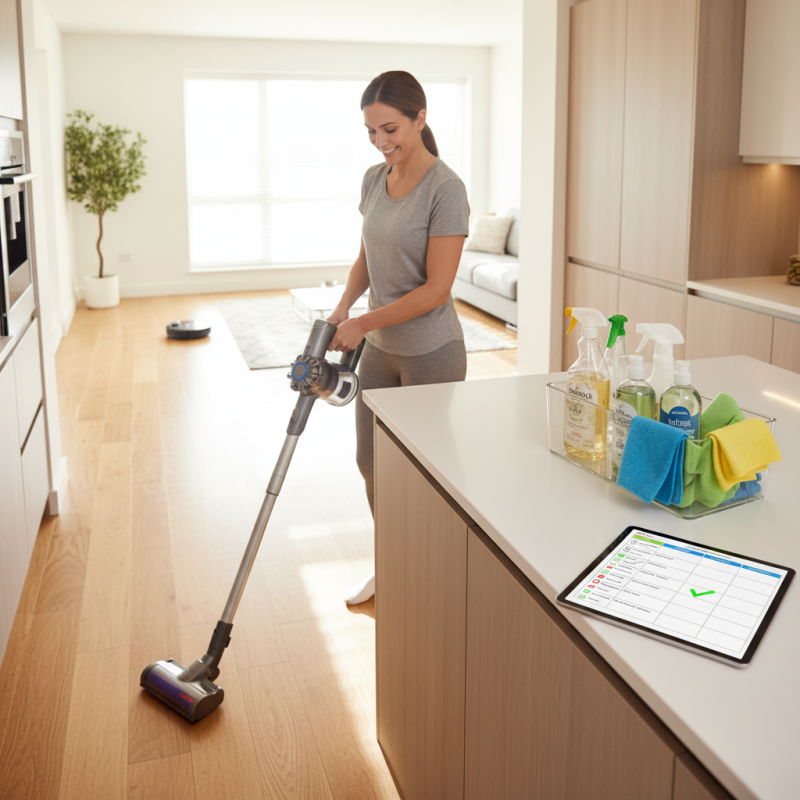
Efficient housework is essential for maintaining a clean and organized home. It saves time and reduces stress. Understanding how to streamline your chores can lead to a more enjoyable living space. Efficient housework allows you to prioritize other important tasks. Thus, managing your time effectively is crucial.
To make housework efficient, create a cleaning schedule. Break tasks into manageable segments. Focus on one room at a time to avoid feeling overwhelmed. Cleaning for just 15 to 30 minutes daily can make a significant difference. It’s surprising how quickly surfaces can shine under consistent care.
Evaluate your tools and supplies. Make sure you have everything you need for each task. This will minimize interruptions. Additionally, consider decluttering regularly. Removing unnecessary items reduces the time spent cleaning. Reflect on your habits; if something isn't working, adjust your approach. Housework doesn’t have to be perfect—progress matters more.
Creating a housework schedule is essential for effective time management. According to a survey by the American Cleaning Institute, over 80% of individuals feel overwhelmed by household chores. However, having a structured plan can alleviate this stress. A well-organized schedule helps distribute tasks throughout the week. This prevents the accumulation of chores, making them more manageable.
Breaking down tasks into daily, weekly, and monthly activities is beneficial. For instance, daily tasks could include tidying up and washing dishes, while deeper cleaning activities might be tackled weekly. Research shows that regular scheduling can boost productivity by as much as 25%. Additionally, this structured approach encourages accountability. When people write down their tasks, they are more likely to complete them.
It's not just about efficiency; it’s also crucial to reflect on personal habits. Are certain tasks consistently left undone? Identifying these patterns can lead to adjustments in the schedule, making it more effective. Balancing responsibilities with realistic expectations is vital. Whether it’s a busy career or family obligations, understanding personal limitations can enhance the overall cleaning experience.
| Task | Frequency | Time Required (minutes) | Best Time to Do |
|---|---|---|---|
| Dusting | Weekly | 30 | Saturday Morning |
| Vacuuming | Weekly | 45 | Sunday Afternoon |
| Laundry | Weekly | 120 | Saturday Evening |
| Kitchen Cleaning | Daily | 20 | After Dinner |
| Bathroom Cleaning | Weekly | 30 | Sunday Morning |
To make housework more efficient, having the right tools is essential. Basic supplies like microfiber cloths, sponges, and a good broom can make a huge difference. Microfiber cloths are great for trapping dust and dirt. Sponges should be durable yet flexible enough to reach tight spots. A quality broom is crucial for sweeping up messes quickly.
Consider investing in a vacuum cleaner with multiple attachments. It should be lightweight and easy to maneuver. A versatile vacuum can handle various surfaces, saving you time. Also, don’t forget about storage solutions. Organizing cleaning supplies can streamline your workflow. Use baskets or bins to keep everything tidy and accessible.
Incorporating tools can be a learning curve. You may struggle with finding the right technique initially. Experimenting with different cleaning methods can lead to better results. Keep track of what works best in your home. Reflect on each cleaning session; what could be improved? Embrace the imperfections as part of the process.
Cleaning can often feel overwhelming. To tackle housework efficiently, breaking down tasks into smaller, manageable steps is crucial. This approach turns a seemingly endless list of chores into achievable goals. For example, instead of saying “clean the kitchen,” focus on individual tasks like wiping counters, loading the dishwasher, or sweeping the floor. This method simplifies the process and provides clear direction.
Time management plays an essential role in this technique. Allocate specific time blocks for each task. Set a timer for 15-20 minutes to work on one job. When the timer goes off, take a short break. This method can help maintain focus and reduce fatigue. It’s okay to feel distracted sometimes. Recognizing when your mind wanders allows you to adjust your strategy.
Visual aids can also help. Create a checklist and mark off each completed task. This offers a sense of accomplishment and tracks your progress. If you miss a task, reflect on why and plan differently next time. Adapting your approach based on experience enhances both efficiency and effectiveness in housework.
Keeping a clean home doesn’t have to be a daunting task. One effective method is to create a simple cleaning schedule. Break down tasks by day. For example, tackle dusting on Mondays and bathrooms on Tuesdays. This way, you won’t feel overwhelmed with a long to-do list. It can be helpful to use timers for each task. Set a timer for 15 or 20 minutes and make that your focus period. This can transform mundane chores into a quick race against the clock.
Another useful tip is to declutter regularly. A clutter-free space requires less cleaning in the long run. Dedicate a few minutes daily to remove unnecessary items from surfaces. This can be as simple as putting away shoes or organizing papers. Investing in storage solutions can also make a difference. Baskets, bins, or trays can easily hold miscellaneous items.
It’s important to remember that perfection is unnecessary. Not every corner needs to be spotless. Embrace the idea of “good enough.” Sometimes, just getting the dishes done or the floor vacuumed is sufficient. Reflecting on your habits can also lead to effective changes. Are there tasks you avoid? Maybe there’s a more efficient way to approach them. Small adjustments can yield significant improvements over time.
: Basic supplies include microfiber cloths, sponges, and a good broom. These tools can enhance your cleaning efficiency.
Microfiber cloths effectively trap dust and dirt. They help maintain a cleaner environment.
Look for a lightweight vacuum with multiple attachments. It should handle various surfaces easily.
Use baskets or bins to organize your supplies. This keeps everything tidy and accessible for cleaning.
Create a simple cleaning schedule. Tackle specific tasks on designated days to avoid feeling overwhelmed.
Set a timer for 15 to 20 minutes while cleaning. This turns chores into a fun race against the clock.
Regularly dedicate a few minutes each day to remove unnecessary items. This reduces overall cleaning time.
No, embracing “good enough” is important. Not every corner needs to shine; some tasks can be sufficient.
It’s normal to find techniques challenging at first. Experiment with different methods and track what works best.
Reflect on your cleaning habits. Making minor adjustments can lead to significant enhancements over time.
Efficiently and effectively doing housework is crucial for maintaining a clean and organized home life. Understanding the importance of efficient housework can significantly improve one's overall well-being and productivity. Creating a structured housework schedule allows for better time management, ensuring that tasks are evenly distributed and completed in a timely manner.
Moreover, having the right tools and supplies streamlines the cleaning process, while breaking down tasks into manageable steps can make overwhelming chores feel more achievable. Additionally, incorporating tips for maintaining a clean home with minimal effort can help sustain cleanliness without the added stress. By implementing these strategies, anyone can enhance their housework routine and enjoy a tidier living space.

JIASHUN