Explore our premium selection of contract-manufactured ceramic products direct from Dehua's advanced kiln facilities.
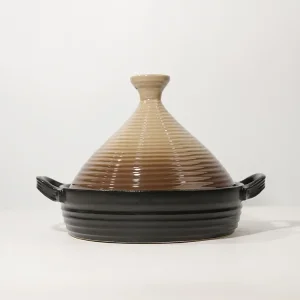
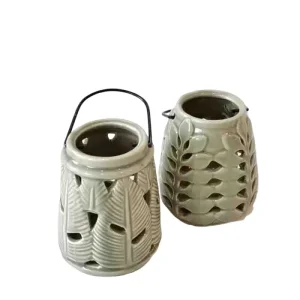
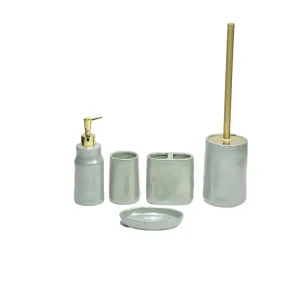
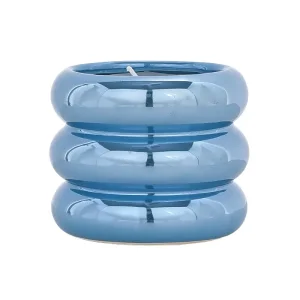
Pioneering daily ceramic innovations and high-tech manufacturing infrastructures in the world porcelain capital.

Established on January 17, 2005, in Dehua, the globally renowned porcelain capital of China, FUJIAN JIASHUN ARTS & CRAFTS CORP., LTD. has structured a paradigm of modern ceramic intelligence. Dehua's white porcelain, historically recognized as "Blanc de Chine", represents the optimal geochemical foundation for manufacturing high-durability, low-porosity tea cups and saucers.
With a comprehensive corporate footprint comprising a modern hotel-style office facility, cultural corridors, an expansive multi-functional sample gallery, and standardized clean production workshops, the enterprise operates two advanced daily ceramic and arts-and-crafts porcelain production lines alongside two modern intelligent electric control rotary kilns and two fully automated slip casting/grouting assembly systems. This state-of-the-art infrastructure enables automated, high-precision control of firing curves, which guarantees dimensional uniformity and glaze stability across massive production batches.
An in-depth analysis of trade economics, raw material optimization, and high-efficiency manufacturing technologies.
The global tea cup and saucer market operates at the intersection of cultural heritage and modern mass-market commerce. Industrially, the term "cheap tea cup and saucer" refers not to inferior composition, but rather to highly optimized cost-to-performance manufacturing processes. Procurement teams in the hospitality, retail, and corporate gifting sectors face the critical challenge of sourcing high-aesthetic, durable ceramics at a unit cost that supports viable retail margins.
Historically centered in European and East Asian hubs, modern supply chains have shifted dramatically toward clusters like Dehua. By leveraging local kaolin clay reserves characterized by low iron and high titanium levels, regional manufacturers can achieve extreme whiteness and high mechanical strength under firing temperatures between 1250°C and 1320°C. This geological advantage, paired with cluster-scale gas and power supply networks, dramatically lowers energy consumption per metric ton of fired ceramic output.
Furthermore, global regulatory compliance (including the European Food Contact Materials regulation EC 1935/2004, US FDA 7117.06/07 lead/cadmium limits, and California Proposition 65) has forced major shifts in glaze formulation. Leading companies rely on advanced lead-free frit compositions and automated glazing operations to eliminate leaching hazards. These technical parameters ensure that even lower-cost ceramic items meet stringent international safety and quality criteria, preserving brand trust across consumer channels.
Strict adherence to ISO 9001 quality systems and ISO 14001 environmental frameworks, backed by Dehua's municipal leading enterprise status.
Dynamic heat recovery and automated atmosphere control systems reduce fuel consumption by up to 35% compared to traditional shuttle kilns.
Two fully automated grouting lines produce complex shapes, ensuring dimensional stability and uniform wall thickness in tea sets.
How regional markets and macro trends are reshaping volume tea set manufacturing.
Modern tea cup and saucer consumption is dictated by distinct regional trends. In European markets, there is a strong demand for sustainable and recycled ceramics, leading to the commercialization of waste black tile and porcelain scrap recycling technologies. Fujian Jiashun won the third prize of the prestigious "Science and Technology Award" for its innovative "Waste black tile recycling and production of high-grade daily porcelain technology," highlighting the critical role of material science in structural cost reduction.
Conversely, North American buyers favor minimalistic, stackable stoneware and mugs with durable glazes capable of withstanding industrial dishwashers in commercial hospitality environments. The Middle Eastern and Southeast Asian markets show high affinity for luxurious, metallized finishes—such as gold-rimmed palace-style tea pots and cups—requiring high-precision decal firing technologies that do not compromise food safety compliance.
Automated grading of local kaolin and recycled ceramic aggregates to verify structural composition.
Automated high-pressure slip casting creates consistent wall thickness and minimizes green body failures.
Under oxidation/reduction gas controls at 1300°C to secure true vitrification and glaze consolidation.
Thermal shock testing (from 200°C to 20°C water bath) alongside automated visual inspection.
A guide for retail purchasing directors, hotels, and mass distributors looking for reliable manufacturing contracts.
When selecting a tea cup and saucer factory, procurement directors must look beyond price lists to evaluate total cost of ownership (TCO). A major component of TCO is transit breakage, particularly for delicate items like thin-walled porcelain saucers. Sourcing from accredited entities who run in-house testing labs, drop-test packaging lines, and hold internationally recognized certifications (such as ISO 9001 and ISO 14001) is vital. Fujian Jiashun operates under 8S management modes and standardized quality controls to maintain defective rates below 1.5% at container scale.
Furthermore, to hedge against rising shipping costs, procurement professionals should utilize mixed-container options. Partnering with factories that manufacture a wide portfolio of products—including high-grade gift porcelain, daily ceramics, planters, festive decorations, and kitchenware—allows buyers to optimize shipping volumes and reduce customs clearing overheads.
Fujian Jiashun has systematically invested in brand protection and technological intellectual property since its inception. Notable milestones include:
These credentials serve as primary indicators of supply reliability for B2B buyers conducting risk assessments under Google's E-E-A-T search standards.
Answering key technical queries from global sourcing agents, retail distributors, and hospitality buyers.
Retaining all original factory catalog links, product variants, and design registrations.
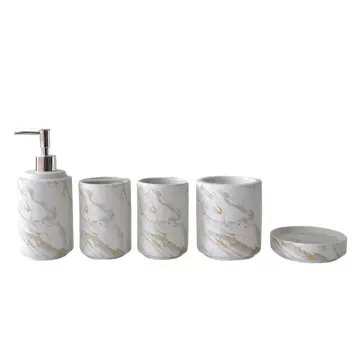
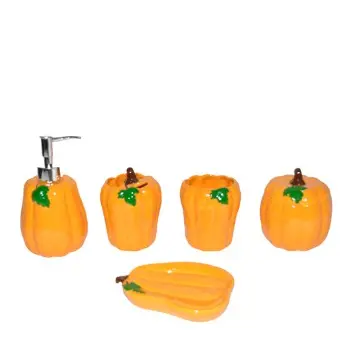
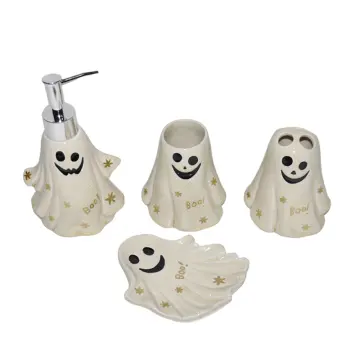
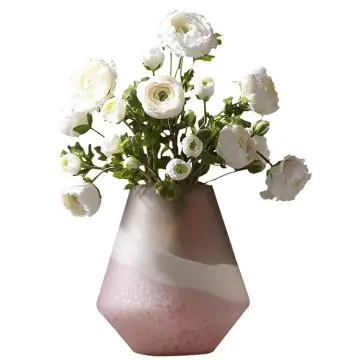
For complete transparency, all products offered under our OEM and ODM programs are listed below. Click on any product to access technical data, raw material ratios, and packaging details:
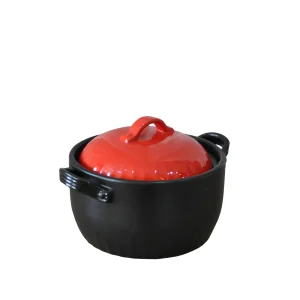
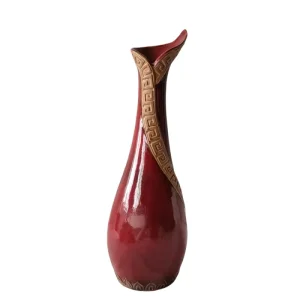
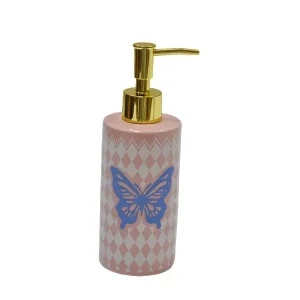
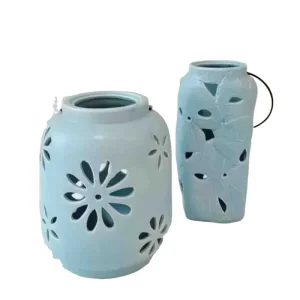
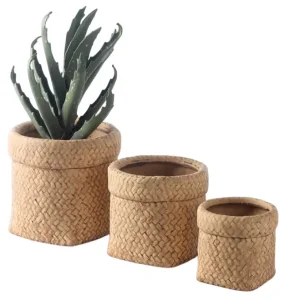
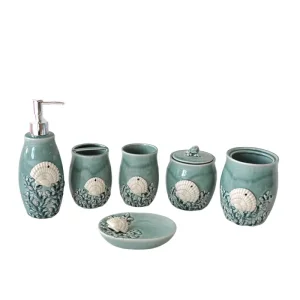
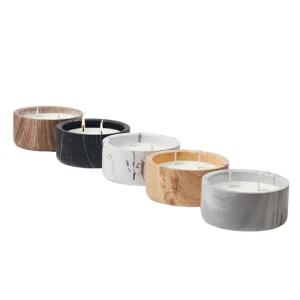
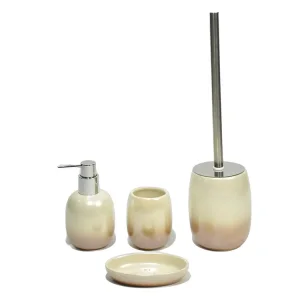
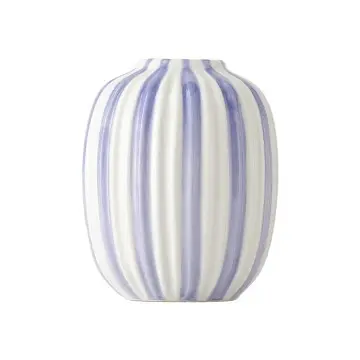
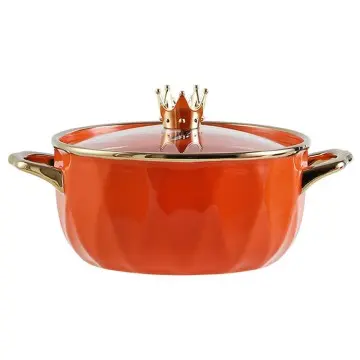
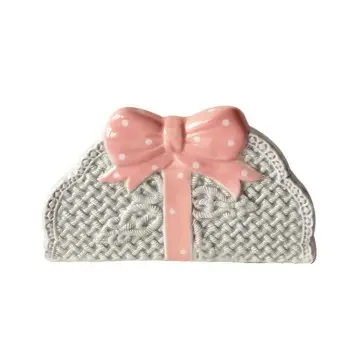
Browse additional high-demand items from our Dehua production catalog, featuring modern finishes and creative styling.

 JIASHUN