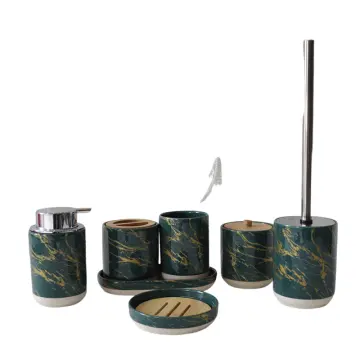
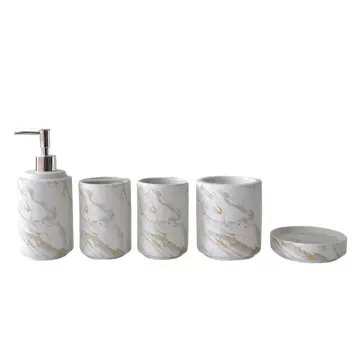
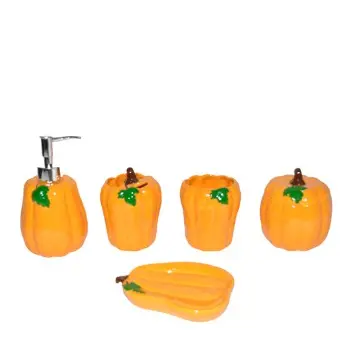
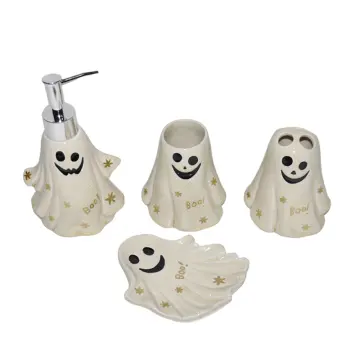
Explore our highly requested commercial ceramic solutions, custom engineered for global retail chains, hotels, and brand distributors.
The global tabletop ceramics industry is undergoing a significant paradigm shift. Modern consumers, heavily influenced by visual social platforms and culinary trends, are demanding more than simple functional tableware. They seek interactive, emotionally resonant dining experiences. The ODM Burger-shaped ceramic ramen bowl is at the forefront of this movement, bridging the gap between whimsical contemporary design and highly robust food service functionality.
From an industrial design standpoint, these novelty structures represent a major development in slip casting and glaze layering. Traditional flat rim soup bowls are increasingly viewed as commodities. Conversely, structural multi-part sets, such as a bowl that stack together to form a visually striking hamburger shape, create what sensory psychologists refer to as "cognitive culinary pleasure." When diners dismantle the burger to reveal stacked, deep ramen bowls, plates, and sauce dishes, it forms an memorable touchpoint that drives social sharing, word-of-mouth branding, and return customers.
For B2B importers, catalog distributors, and direct-to-consumer (D2C) brands, adding highly differentiated novelty ceramics creates a strong defensive product line. According to recent search intent mining, queries for "unusual ramen bowls with lids," "cute ceramic noodle bowls," and "3D novelty bowls" have grown steadily. By offering an integrated burger-shaped stoneware or dolomite set, importers can demand higher pricing, dodge direct comparison with baseline white plate manufacturers, and secure higher gross margins across e-commerce platforms and boutique retail chains.
For custom ODM projects, selecting the right material is vital. We work closely with partners to select the appropriate clay base, balancing mechanical strength, detail resolution, thermal shock properties, and unit costs.
When engineering the Burger-shaped ceramic ramen bowl, structural durability is critical. Because the set uses overlapping pieces (the top bun acts as a dome lid, the mid-layers function as shallow plates, and the bottom base serves as the main noodle bowl), we carefully calculate the shrinkage rate of the clay body (typically 10-12% from wet mud to post-kiln). This ensures that every layer locks together securely without sliding, even after firing at intense heat.
Developing a custom food-grade ceramic piece involves several strict engineering stages. We utilize modern computer-aided design alongside traditional hand-sculpting methods from Dehua artisan traditions.
A key manufacturing challenge is achieving realistic textures—such as the soft contour of a brioche bun, the organic details of a lettuce leaf, and the distinct look of grilled meat. We combine automated slip-casting machines for body consistency with hand-finished relief details to give each piece an artisanal, premium feel.
Understanding regional markets and intent patterns helps focus sales campaigns and catalog customization:
"A premium, uniquely designed piece of tableware can increase a customer's willingness to pay by up to 25%. Distinctive custom ceramics elevate casual dining from a simple meal into an memorable visual experience."
Located in the historic porcelain capital of Dehua, Fujian Province, FUJIAN JIASHUN ARTS & CRAFTS CORP., LTD. has built a highly reliable, modern production facility since its founding on January 17, 2005.

Jiashun operates with a dedicated workforce of over 200 staff, including more than 40 managers and technical experts. With an annual export value exceeding $5 million, the company has grown steadily with the support of local industrial initiatives and trade networks.
Our production facilities include high-end design offices, showroom galleries, and clean, modern workshops. We operate 2 specialized daily ceramic and arts & crafts porcelain production lines, 2 advanced electric rotary kilns, and 2 automatic slip-casting lines, utilizing modern workflow systems to keep lead times short and quality consistent.
By implementing 8S management standards and strict quality controls, Jiashun maintains high standards of consistency. This systematic approach reduces raw material waste and ensures color and dimensions remain uniform across large production batches. Our strategic location in Dehua provides us with direct, reliable access to high-grade kaolin clay reserves and a skilled local workforce, keeping our production secure against supply chain disruptions.
To successfully import tableware, meeting safety standards is critical. Fujian Jiashun operates under strict certification controls to ensure all products are fully compliant with destination market standards:
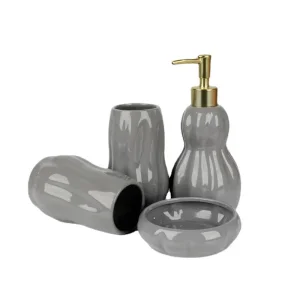
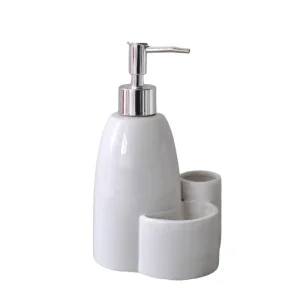
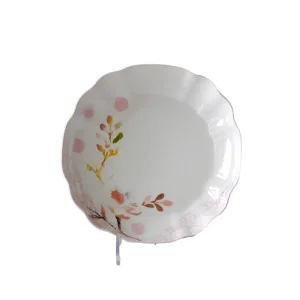
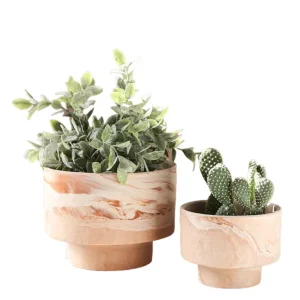
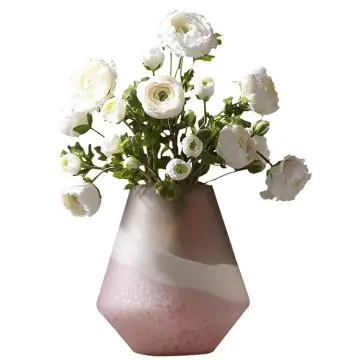
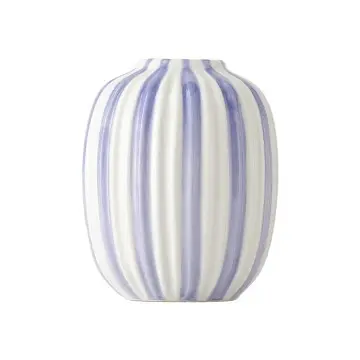
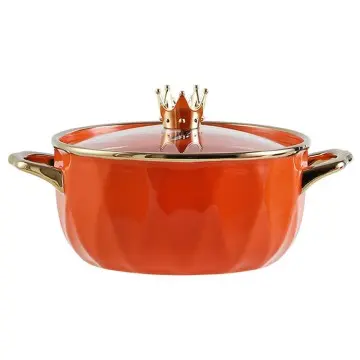
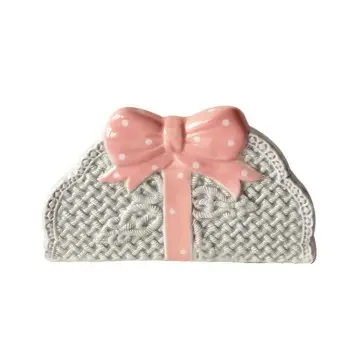
High-quality lifestyle ceramics manufactured using our advanced production lines and electric rotary kilns.
 JIASHUN