Highly demanded ceramic design combinations demonstrating contemporary surfaces, innovative shapes, and functional structural engineering.
Decoding the convergence of urban biophilic design, circular raw materials, and high-performance technical ceramics.
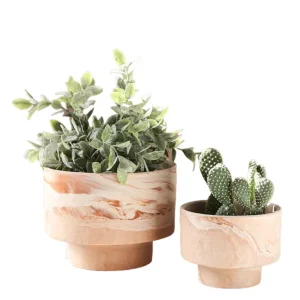
Commercial real estate development is witnessing a massive paradigm shift toward integrated biophilic systems. Multi-family housing and Class-A office complexes are transitioning from decorative potted plants to structural planter integrations. Modern flower pot sets are no longer evaluated as mere individual containers, but as modular ceramic building components that must exhibit absolute dimensional consistency, precise mechanical weight limits, and moisture barrier properties to interact seamlessly with smart building infrastructure.
Enterprise sourcing policies in Western Europe and North America now mandate quantified low-carbon profiles. This pressure has translated directly into material science requirements. The use of recycled raw ceramic substrates, mineral byproducts, and low-firing-temperature formulations is essential. Sourcing directors look for advanced manufacturers that can turn waste streams (such as black ceramic tile waste or factory slip runoff) into high-grade durable porcelain without sacrificing vitrification densities.
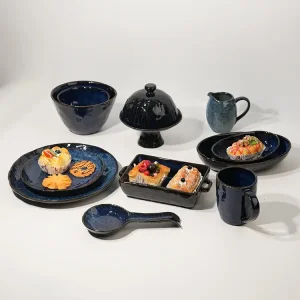
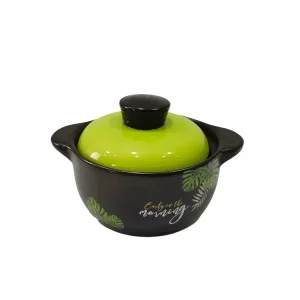
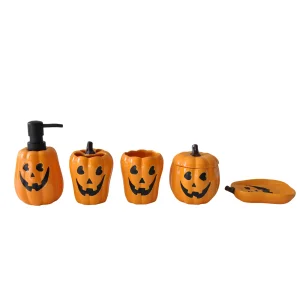
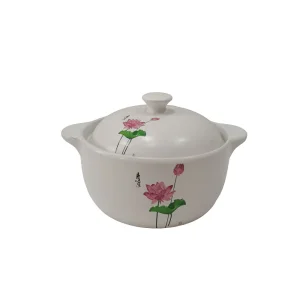
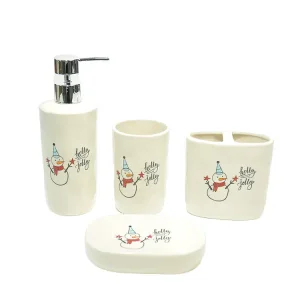
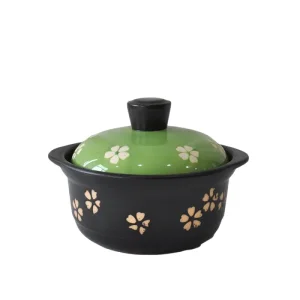
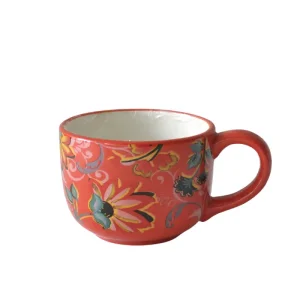
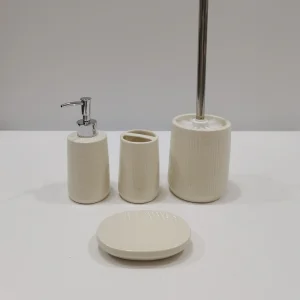
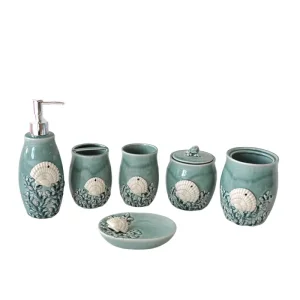
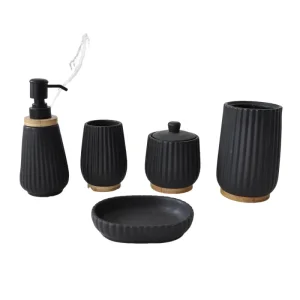
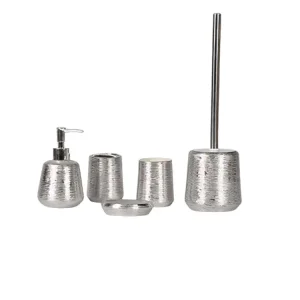
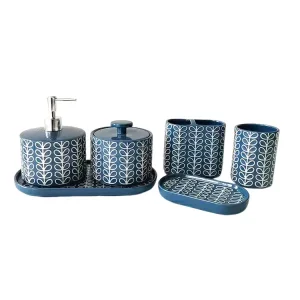
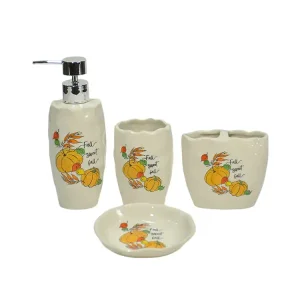
Modern consumers dictate an aesthetic harmonization across home environments. Retailers demand holistic suites—a single visual theme spanning flower pots, bathroom sanitary ware, kitchenware, and lifestyle centerpieces. Sourcing single-category products creates design fragmentation. The contemporary procurement priority lies with integrated producers who design and manufacture modern flower pots alongside kitchenware and bathroom accessories under one unified surface finishing methodology.
Decoupling supply chain bottlenecks, verifying capacity scales, and identifying true original design manufacturers.
Enterprise procurement teams representing global retail giants, high-volume home decor chains, and luxury architectural firms operate under stringent operational KPIs. When sourcing ODM Modern Flower Pot Sets, they encounter substantial risks relating to dimensional variances, shipping breakages, glaze micro-cracking under freeze-thaw cycles, and vendor compliance. The solution lies in choosing a manufacturer that manages raw material purification, automated high-pressure casting, controlled kiln firing, and automated drop testing under one umbrella.
For automated potting systems and standard modular shelving, a variance of even 2mm can halt automated production lines. Our manufacturing processes deploy computer-controlled molding and precision-monitored dehydration kilns to control ceramic shrinkage curves within strict tolerances, ensuring perfect repeatability across batches.
Planters designed for outdoor application must withstand severe climatic fluctuation. If coefficient of thermal expansion (CTE) matches poorly between the clay body and the glazed surface, micro-cracking (crazing) occurs, causing moisture ingress, subsequent freezing expansion, and structure failure.
High-volume export relies on packaging safety. Incorporating ISTA 1A/3A drop test verification methods at the factory stage reduces transit breakage rates below 0.1%, drastically outperforming standard industrial suppliers and protecting importer profit margins.

Established on January 17, 2005, in the historical porcelain capital of Dehua, China, Fujian Jiashun Arts & Crafts Corp., Ltd. has developed into a premier designer, developer, and high-volume manufacturer of advanced daily ceramics and decorative pottery. Employing a highly trained workforce of more than 200 dedicated specialists—including a core team of over 40 office administrators, workshop management specialists, and engineering/technical leaders—we process and export products to more than 20 countries and regions, including Europe, the Middle East, and Southeast Asia.
Our facility features high-standard architectural amenities, a specialized cultural gallery, a multi-functional sample showcase gallery, and standardized clean production workshops. We operate 2 advanced daily ceramic and arts & crafts porcelain production lines, integrated with 2 intelligent electric control rotary kilns and 2 automatic slip-casting production lines. These lines are supported by advanced technology equipment, secure telecommunication interfaces, and a strict scientific governance structure.
Exploring how advanced robotics and eco-friendly manufacturing methodologies shape the modern ceramic sector.
Our commitment to technical excellence is rooted in Dehua's thousands of years of ceramic mastery, enhanced by modern industrial machinery and sustainable production processes. Our facility operates on an 8S Lean Management framework and quality standardization protocols that directly support product consistency and environmental sustainability.
A cornerstone innovation is our development of the "Waste black tile recycling and production of high-grade daily porcelain technology". Awarded the prestigious Third Prize of the Science and Technology Award, this technology processes post-industrial black tile scrap into premium daily stoneware and flower pot body compositions. By utilizing recycled content, we conserve raw clay resources and reduce carbon footprints, while increasing the structural density and thermal resistance of our final ceramic bodies.
Our manufacturing plant runs 2 modern, intelligently controlled electric rotary kilns. Unlike conventional shuttle kilns, our rotary setups provide continuous, uniform heat distribution. Temperature curves are controlled to within ±1.5°C across all zones, ensuring thorough sintering, elimination of inner stress concentration points, and absolute uniformity of glazed finishes.
By operating two automatic slip-casting (grouting) lines, we reduce variation associated with traditional manual slip pouring. Slurry density, mold retention time, and extraction moisture rates are programmed into our systems. This mechanical precision guarantees consistent wall thicknesses in all flower pots, preventing structural vulnerabilities during firing.

To service international retail networks, we keep our operations aligned with international standards. We have achieved ISO9001 Quality Management System Certification and ISO14001 Environmental Management System Certification, ensuring that all production stages from clay preparation to packing meet modern regulatory and environmental expectations.
Over two decades, our commercial integrity and technical innovation have earned numerous provincial and municipal honors:
Anticipating horticultural trends through high-performance materials and smart design integration.
We are actively developing ceramic bodies with targeted micro-porosity profiles. By utilizing localized clay additives, we can manufacture pots that act as passive moisture regulators. These modern flower pots absorb excess moisture from damp soil and slowly release it back as dry conditions emerge, reducing watering frequencies and supporting root health.
Our engineering department is analyzing hybrid electric-hydrogen kiln firing methodologies. By transitionally blending green hydrogen into kiln combustion circuits, we aim to reduce carbon emissions during the high-temperature sintering phase. This initiative supports the decarbonization goals of our global retail clients.
Future flower pot sets will incorporate physical design profiles tailored to specialized root-barrier inserts. By shaping internal ceramic grooves to hold bio-friendly drainage materials, we prevent water-logging and soil compaction, ensuring long-term plant health in commercial spaces.
Answers to common technical, logistics, and compliance questions from international procurement teams.
Our standard MOQ for custom modern flower pot sets typically ranges from 1,000 to 3,000 units per design, depending on the dimensional envelope and glazing specifications. This volume allows us to optimize the layout of our continuous rotary electric kilns, ensuring high-quality, cost-efficient production.
Glaze uniformity is managed through two key controls: raw glaze materials are ground in ball mills for 18+ hours to achieve uniform particle distributions, and firing is conducted in our intelligent rotary electric kilns. These steps maintain narrow firing temperatures, preventing surface deviations and ensuring consistent coloration.
Our technical team runs frost-resistance verification cycles involving water saturation followed by repeated freeze-thaw cycles between -20°C and +20°C. This testing ensures the fired ceramic body and glaze layer remain structurally sound and free from micro-cracking when exposed to cold climates.
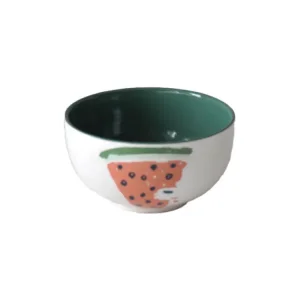
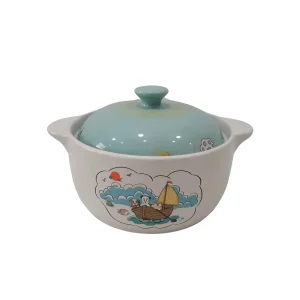
Yes. Because Fujian Jiashun designs and manufactures diverse product categories—including flower pots, high-grade kitchenware, daily ceramic tableware, and complete bathroom accessory sets—we can consolidate multiple product lines into single container shipments, simplifying logistics and reducing costs for import buyers.
Our patented recycling technology processes black tile waste into fine mineral grains that are integrated back into the clay body. This acts as a stabilizing agent, reducing shrinkage during drying and firing, which increases structural density, lowers thermal expansion rates, and maintains high aesthetic and mechanical durability.
Precision-engineered ceramic solutions designed to meet the quality, design, and performance standards of international buyers.
 JIASHUN