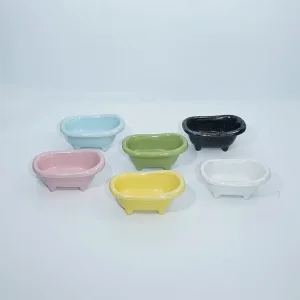
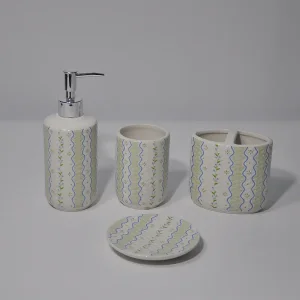
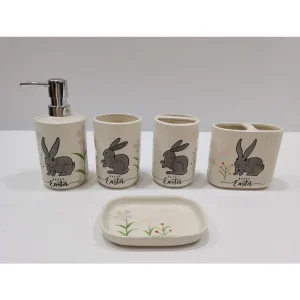
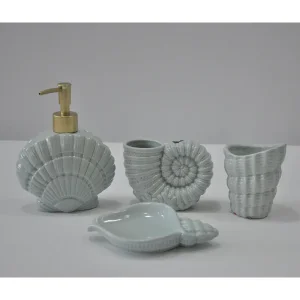
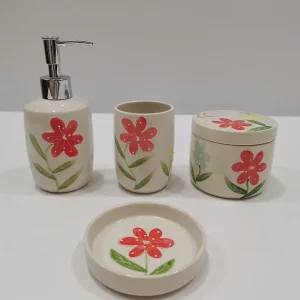
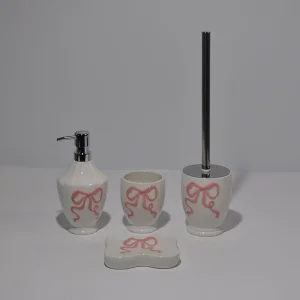
Premium grade ceramic bathware designed for major commercial, public, and high-density luxury residential projects throughout Ethiopia.
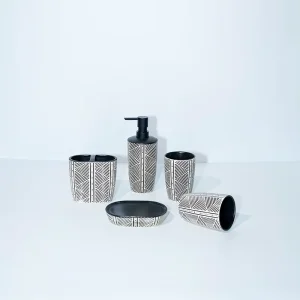

Located in the beautiful porcelain capital—Dehua, China, our company was founded on January 17, 2005. With a dedicated team of over 200 skilled professionals, including 40+ engineering, design, and management experts, we achieve an annual export value exceeding 5 million USD.
Our state-of-the-art facility features structured office spaces, a design gallery, a multi-functional sample showroom, and standardized clean production workshops. We operate 2 high-precision daily ceramic and arts & crafts lines, 2 modern intelligent electric control rotary kilns, and 2 automatic slip-casting production lines equipped with advanced process control technologies. Adhering to 8S factory management and rigorous quality standardizations, we continuously elevate product quality for global commercial projects.
Get Factory Audit ReportA comprehensive analysis of construction trends, regulatory frameworks, supply chain optimization, and material criteria for the Ethiopian market.
Ethiopia’s architectural landscape, particularly in metropolitan Addis Ababa, Hawassa, and Adama, is undergoing a profound structural evolution. Driven by rapid urbanization, high demographic growth, and major state-backed infrastructure initiatives, the demand for premium building materials and interior finishing systems has reached unprecedented heights. Real estate projects ranging from luxury high-rise apartments to hospitality complexes (such as international business hotels along Bole Road) place a high priority on the durability, aesthetics, and water efficiency of their interior fixtures.
In Addis Ababa, which is home to the African Union headquarters and serves as a major diplomatic hub, commercial projects demand sanitary fittings that align with international standards. Developers are moving away from cheap, low-grade plastic fittings and towards durable, high-density glazed ceramic and stoneware accessories. This shift is motivated by the need to minimize lifecycle costs, reduce frequent maintenance expenses, and present a modern visual identity.
Additionally, the expansion of industrial parks across the country (such as Bole Lemi, Hawassa, and Eastern Industrial Zone) has spurred demand for durable, institutional-grade bathroom fixtures. These industrial settings require heavy-duty performance, chemical resistance, and long service lives, which places strict demands on global manufacturers and suppliers.
With Addis Ababa hosting thousands of diplomats and international business travelers, premium hotel developments demand sanitary products with zero defects. Ceramic sets must feature micro-crystalline self-cleaning glazes that withstand high-frequency cleaning with harsh sanitizers without fading or cracking over time.
The geological and climate conditions of Ethiopia—characterized by high-altitude plateaus (with Addis Ababa sitting at an elevation of 2,355 meters) and significant diurnal temperature swings—present unique engineering challenges for interior materials. Ceramic bathroom accessories must withstand:
Modern B2B buyers—including real estate procurement offices, general contractors, and wholesale distributors in Ethiopia—operate under strict project timelines and regulatory requirements. When sourcing bathroom accessories globally, buyers evaluate manufacturers based on:
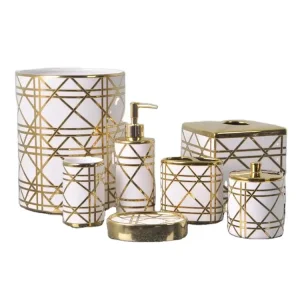
1. System Customization (OEM/ODM Capabilities): Commercial buildings often require branding or specific colorways that align with their overall interior design themes. Our factory provides tailormade designs, ranging from classic relief patterns to minimalist geometric profiles and electroplated metallic finishes.
2. International Certification & Compliance: E-E-A-T principles demand verified performance. Sourcing agents require factories that hold ISO9001 for quality management systems and ISO14001 for environmental safety. These certifications ensure that the raw clays, glaze chemistry, and firing mechanisms comply with international heavy-metal limits (such as lead and cadmium release restrictions).
3. Packing Durability for Multimodal Logistics: Exporting to a landlocked nation like Ethiopia involves complex sea-land transportation, passing through the Port of Djibouti and traveling via the Ethio-Djibouti Railway or highways to inland dry ports. The packaging must be engineered to withstand vibrations, drop impacts, and environmental humidity during transit.
Fujian Jiashun Arts & Crafts Corp., Ltd. represents the cutting edge of modern ceramic manufacturing. Located in Dehua, the historic porcelain capital of China, our operations integrate traditional craftsmanship with automated, digitally-controlled production workflows.
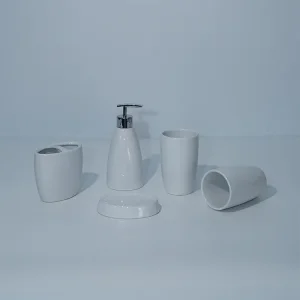
By utilizing intelligent electric-control rotary kilns, we ensure uniform heat distribution during the firing process. This minimizes warping and thermal variance in large ceramic batches, resulting in dimensional stability across thousands of manufactured units. Our automatic slip-casting lines ensure high consistency in wall thickness for lotion dispensers, cups, and soap dishes. This reduces structural weak points and increases durability.
Our factory is also a pioneer in eco-friendly manufacturing. In 2016, we won the third prize of the "Science and Technology Award" for our **"Waste black tile recycling and production of high-grade daily porcelain technology"**. By repurposing industrial ceramic waste, we reduce raw material extraction and lower the carbon footprint of our products. This supports green building initiatives and LEED certifications for modern construction projects in Ethiopia.
Navigating import logistics to Ethiopia requires a clear understanding of regional shipping routes and regulatory protocols. The primary logistics pathway involves:
Djibouti Port Transit to Mojo Dry Port: Standard shipments travel from Xiamen Port in China to the Port of Djibouti. Containers are then loaded onto the standard-gauge railway line to the Mojo Dry Port near Addis Ababa. This multimodal network reduces transit times but exposes cargo to handling hazards, highlighting the importance of heavy-duty, palletized shipping crates.
Regulatory and Foreign Exchange Guidelines: Importers in Ethiopia must comply with foreign exchange directives issued by the National Bank of Ethiopia (NBE), which typically require Letter of Credit (L/C) approvals or Cash Against Documents (CAD) terms. Our export documentation team is highly experienced in preparing custom-compliant commercial invoices, bills of lading, packing lists, and certificates of origin to expedite bank clearances and customs clearance.
Pre-Shipment Inspections (PSI): To ensure imported goods comply with local quality requirements, the Ethiopian Standards Agency (ESA) often requires testing certificates for building and sanitary products. Our ISO9001 certification and independent lab reports simplify the verification process with inspection agencies like SGS, Bureau Veritas, or Intertek.
Fujian Jiashun’s product portfolio spans various decorative and functional categories. This includes high-grade holiday ornaments (Christmas, Easter, and Valentine's Day decorations), flower pots, seasoning jars, pet accessories, kitchenware, and ceramic casseroles.
To support high-end developments, we have expanded our investment into premium gift ceramics, tea sets, and high-performance sanitary ware. Our products are exported to over 20 countries and regions, including Europe, the Middle East, and Southeast Asia.

Over the years, Fujian Jiashun has earned numerous governmental and industry distinctions. In 2012, our trademark **"Jiashun and map"** was recognized as a "Quanzhou Famous Trademark," followed by a "Fujian Famous Trademark" designation in 2014. From 2012 to 2015, we were named a "Dehua County Contract-Abiding Credit Unit" for three consecutive years.
In 2016, we were certified as a "Fujian Science and Technology Enterprise" and a "High-Tech Enterprise," recognizing our engineering center's work in functional daily ceramics. In 2017, we received designations as a "Provincial Science and Technology Small Giant" and an "Intellectual Property Advantage Enterprise" in Fujian Province. In 2018, we were named one of the "Top Ten Honest Enterprises" in Dehua's ceramic sector, and our tableware was awarded "Famous Brand Products in China Ceramic Industry." More recently, we were designated a "Municipal Industrial Leading Enterprise" (2019, 2020) and ranked among the "Top Ten Enterprises of Dehua County Self-Operated Export Earning Foreign Exchange" (2022).
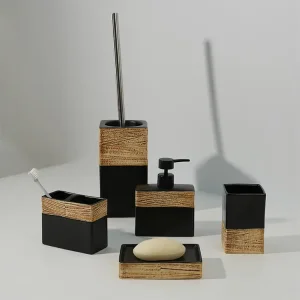
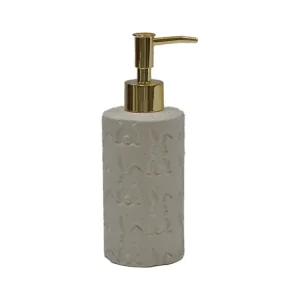
Premium textured ceramic configurations, embossed stoneware, and liquid dispenser systems for upscale B2B trade requirements in Ethiopia.
Expert answers addressing customs procedures, technical configurations, material choices, and wholesale ordering policies for East African buyers.
 JIASHUN