Engineered to align with Japanese aesthetics and strict food safety compliance. Featuring lightweight structures and high-temperature tolerance.
An in-depth analysis of regulatory compliance, aesthetic shifts, and procurement strategies for Japanese commercial and residential ceramic ware.
The Japanese domestic kitchenware market has entered a stage of refined demands, focusing closely on the intersection of long-term durability and spatial efficiency. Japanese B2B procurement professionals from hotels, high-end Ryokan inns, and nationwide retail outlets (such as those in Tokyo, Osaka, and Kyoto) have shifted away from disposable or short-lived kitchenware products. They now demand ceramics that feature high scratch resistance, light overall weights to ease handling for serving staff, and thermal configurations optimized for modern dishwashers and induction cookers (IH).
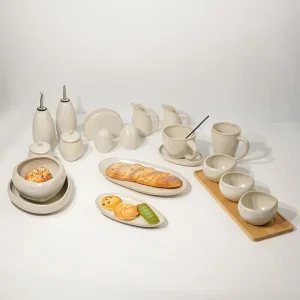
Furthermore, "Wabi-Sabi" aesthetic values continue to dominate the modern table. Unlike Western preferences for perfectly matching, high-gloss white plates, the Japanese food industry emphasizes organic textures, matte glaze effects, and hand-finished shapes. By combining traditional Dehua "Blanc de Chine" porcelain body formulas with advanced Japanese glaze integration, our production lines now supply materials that withstand intense heat variations while retaining a soft tactile warmth that enhances the plating of Washoku (Japanese traditional cuisine).
All tableware imported into Japan must comply with the strict lead and cadmium dissolution limits set by the Ministry of Health, Labour and Welfare. Our specialized high-temperature underglaze firing ensures lead levels are undetectable, guaranteeing safe custom clearances through Japanese customs authorities.
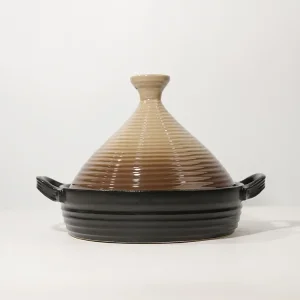
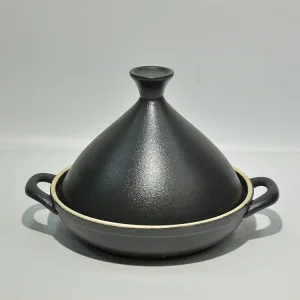
To meet the stringent standards of Japanese buyers, our Dehua factories have revolutionized firing methodologies by integrating intelligent digital control systems inside our rotary kilns. Ceramic cookware (like our volcanic and clay casseroles) undergoes a multi-stage firing schedule, peaking at 1320°C, which alters the mineral matrix of the clay body into mullite. This structure boasts extremely low coefficients of thermal expansion, preventing cracks even when subjected to thermal shocks up to 800°C.
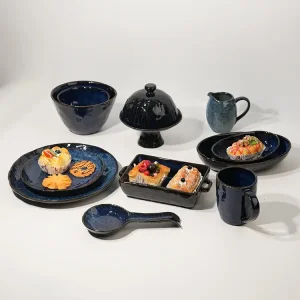
In terms of modern design, B2B buyers require ceramic kitchen accessories that resist food stains and organic odors. Typical low-firing stoneware is porous, absorbing oils and liquid residues over time, which compromises hygiene. To address this, our research division developed a micro-crystalline dense glaze formula. Under thermal maturation, this glaze merges completely with the stoneware body, creating a smooth surface that repels water and prevents grease and bacteria buildup.
Global purchasing offices face the challenge of sourcing high-quality ceramic kitchenware that balances affordability with premium craftsmanship. Fujian Jiashun Arts & Crafts Corp. provides a reliable supply pipeline. Founded in 2005, the company utilizes advanced machinery alongside skilled artisans in Dehua, China. Our facilities maintain ISO9001 quality standards and run high-capacity automated production lines, ensuring consistent dimensions and glaze finishes across large orders.
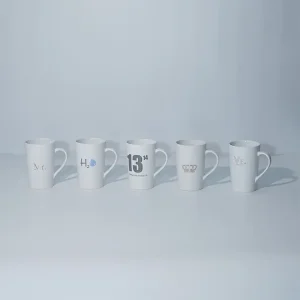
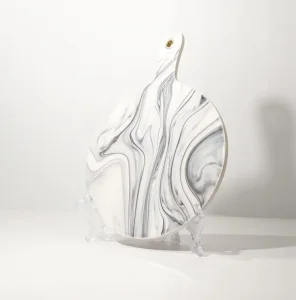
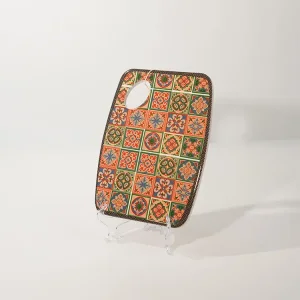
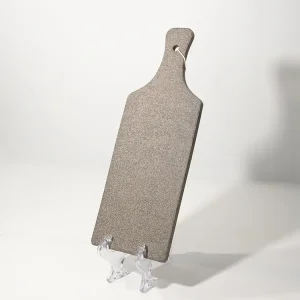
Understanding international retail logistics, we deploy rigorous packaging routines. Every container of stoneware dinnerware sets, custom sublimation mugs, and cutting boards is packed using drop-resistant ISTA-3A methods. This guarantees safe arrivals at Japanese transit hubs such as Yokohama, Tokyo, and Osaka ports.

Located in Dehua, the historical porcelain capital of China, our company has manufactured daily-use ceramics, festive decorations, and kitchenware since 2005. Our workforce of over 200 includes 40+ engineering and quality assurance experts. Operating modern intelligent rotary kilns and automatic slip casting lines, we serve clients in over 20 countries. Our operations strictly implement the 8S methodology and quality standardization protocols.
Request Facility Audit ReportsFujian Jiashun prioritizes quality management, environmental standards, and cultural development. We hold ISO9001 and ISO14001 certifications to ensure efficient, compliant operations. Our focus on raw material safety has positioned us as a leading exporter in Fujian Province.
In 2016, our project focusing on recycling black tiles to produce daily tableware won third prize at the regional Science and Technology Awards. We have also been recognized as a high-tech enterprise and designated as the Quanzhou Functional Daily Ceramic Engineering Research Center. Partnering with us provides stable output, custom engineering capability, and reliable supply continuity.

Premium solutions for restaurants, hospitality, and home retail brands in the Japanese market.
Key information regarding ordering, safety standards, and shipping procedures for the Japanese market.
 JIASHUN