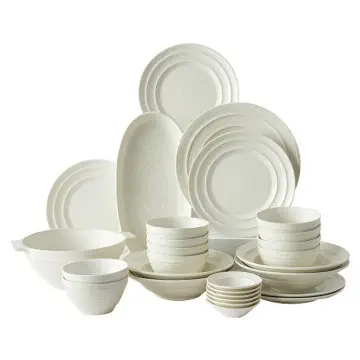
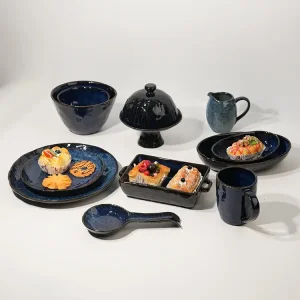
Manila, as the primary economic hub of the Philippines, is undergoing an unprecedented urbanization wave that directly impacts the hospitality, catering, and culinary industries. The rise of integrated resort complexes in Entertainment City, new boutique developments in Bonifacio Global City (BGC) and Makati, and the massive expansion of local restaurant franchises have collectively elevated the operational standards for kitchenware. Modern Manila restaurants no longer treat plateware as simple vessels; dinnerware is now a critical touchpoint of the culinary brand.
From a logistics perspective, Manila’s commercial dining sector demands highly durable products capable of withstanding the rigors of commercial dishwashing, high-temperature sanitizing cycles, and heavy thermal shock. Low-grade earthenware often leads to high chipping rates, which severely reduces margins for restaurant operators. Our analysis indicates that by transitioning from standard low-fired ceramics to heavy-duty Dehua stoneware, commercial venues in Metro Manila can reduce their replacement costs by up to 35% annually.
On a global scale, the kitchenware and tableware markets are transitioning from traditional clay mixes to advanced mineral-blend ceramics. Under the influence of strict safety guidelines (such as the EU's LFGB and the US FDA's lead and cadmium restrictions), manufacturers are turning to high-temperature electric kilns to achieve complete vitrification. Under these conditions, the raw materials are fused at temperatures exceeding 1250°C, transforming the silicate crystals into a non-porous glass-like matrix.
Furthermore, global trade networks are experiencing changes due to rising shipping costs. Bulk buyers in Southeast Asia, particularly the Philippines, are increasingly focused on sourcing products from factories that offer optimal loading capacities, stackable designs, and highly secure packaging. Lightweight yet high-density stoneware has emerged as the preferred material for B2B importers globally because it balances low freight weight with structural strength.
Stoneware's resistance to chipping is directly related to its alumina (Al₂O₃) content and firing temperature. At temperatures between 1200°C and 1300°C, quartz particles dissolve and needle-like mullite crystals form throughout the ceramic body. This provides reinforcement, making the product highly resistant to mechanical impacts and sudden changes in temperature.
China's Dehua County in Fujian Province stands as the world's premier cluster for high-end daily-use ceramics. Known historically as the birthplace of "Blanc de Chine," modern Dehua combines ancestral craftsmanship with high-tech automated manufacturing processes.
The production efficiency of Dehua factories rests on three primary pillars:
For Manila importers, sourcing directly from Fujian Jiashun Arts & Crafts Corp., Ltd.—located in Dehua—means utilizing a production line that generates over $5 million in annual exports. Our facility operates under 8S management and quality standardization, meaning products are delivered with minimal defects, fast lead times, and comprehensive safety certifications.
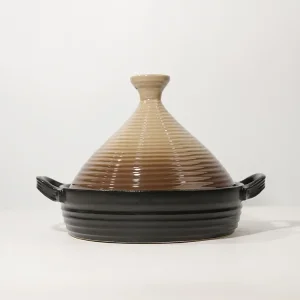
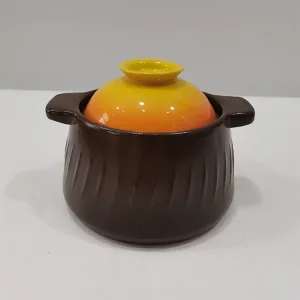
Sourcing ceramic products for the Philippines requires understanding the local dining culture. Filipino cuisine features many broth-heavy dishes served hot, such as *Sinigang*, *Bulalo*, and *Kare-Kare*. This creates a specific demand for deep, thermal-retentive serving bowls and ceramic casserole pots.
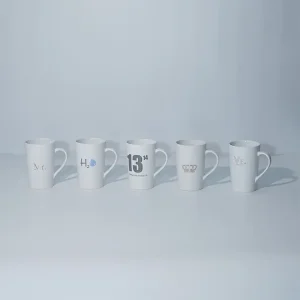
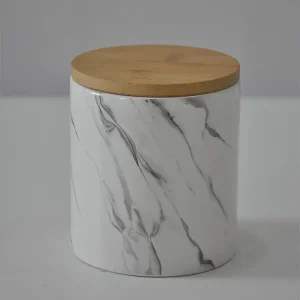
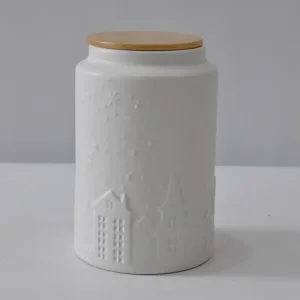
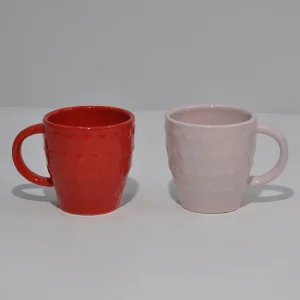
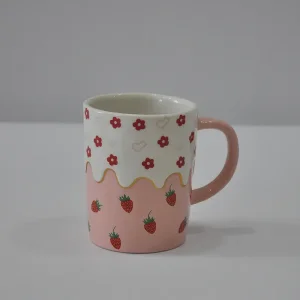
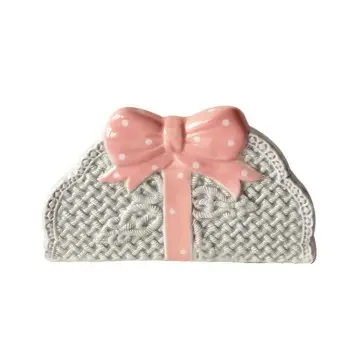
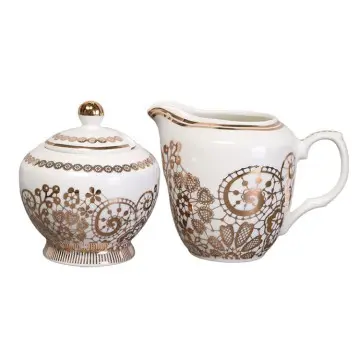
Additionally, the local corporate culture values gift-giving during holidays like Christmas, making custom embossed dolomite jars and decorated mugs popular items for department stores and corporate sourcing groups. Our OEM/ODM service caters to these seasonal shifts, allowing Manila businesses to order custom-branded mugs, serving platters, and seasonal holiday table accessories with custom glazes and decals.
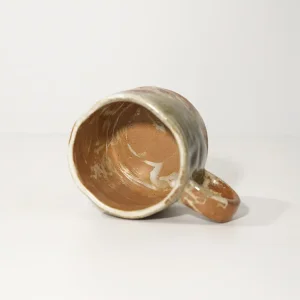
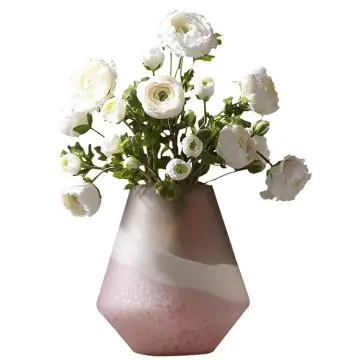
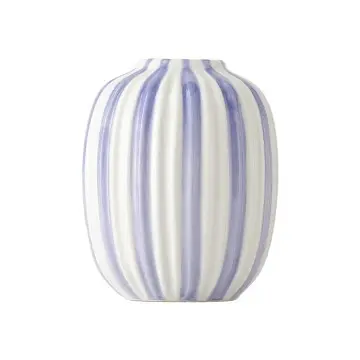
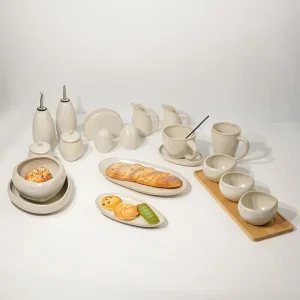
The international ceramic market is shifting toward minimalist designs and rustic finishes. The "INS Style" (Instagram-ready minimalist look), featuring reactive glazes, matte stoneware surfaces, and natural color palettes, is highly popular among Gen Z and millennial consumers. The demand for these products is growing in urban Manila hotspots like BGC and Makati.
On the industrial front, sustainability is increasingly important. Global B2B buyers are looking for suppliers that use energy-efficient electric kilns instead of heavy gas-fired ones, reducing the carbon footprint of production. We use recycled waste black clay to manufacture daily-use porcelain, which earned our team the Science and Technology Award for resource recycling.
Importing ceramics to the Philippines requires careful attention to packaging. Because ceramics are heavy and fragile, improper packing can lead to chips and breakage during maritime transit. Our logistics team uses customized double-wall corrugated cartons with precision-cut molded pulp spacing inserts. This packaging structure protects the products during rough sea transit and port handling at Manila Harbor.
By working with local shipping lines directly out of Xiamen Port (which is located close to our Dehua factory), we can offer Manila clients competitive transit times (often under 7-10 days) and low shipping rates.
Our factory features specialized daily ceramic and arts and crafts production lines. These lines are supported by automated shaping machines, two modern electric control rotary kilns, and two high-volume automatic grouting lines. This equipment setup allows us to keep lead times short for high-volume orders. We maintain strict control over our glaze formulations, ensuring lead-free and cadmium-free finishes for every kitchenware item we manufacture.
Get custom OEM/ODM solutions, pricing catalogs, and compliance certificates directly from our technical sales team in Dehua.
Request a Quote TodayFujian Jiashun Arts & Crafts Corp., Ltd. holds several certifications for environmental and quality management. We have passed the ISO9001 Quality Management System Certification and the ISO14001 Environmental Management System Certification. In 2020, we were awarded the title of "Municipal Industrial Leading Enterprise". In 2022, we were named a "Provincial Industrial Leading Enterprise" and ranked among the "Top Ten Enterprises of Dehua County Self-Operated Export Earning Foreign Exchange".
We emphasize integrity management. In 2014, our trademark "Jiashun and Map" was awarded the "Fujian Famous Trademark". From 2012 to 2015, we were recognized as a "Dehua County Contract-Abiding Credit Unit" for three consecutive years. Our research and development team won the third prize of the "Science and Technology Award" for our "Waste Black Tile Recycling and Production of High-Grade Daily Porcelain Technology," and we have been officially recognized as a "High-Tech Enterprise."
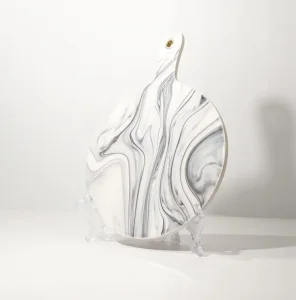
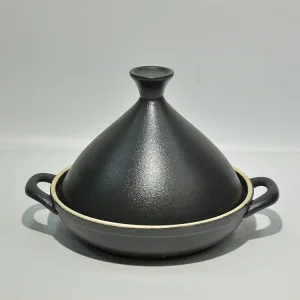
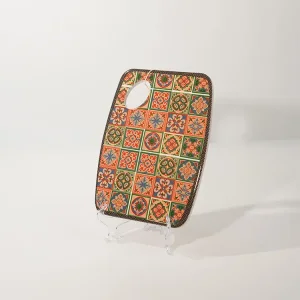
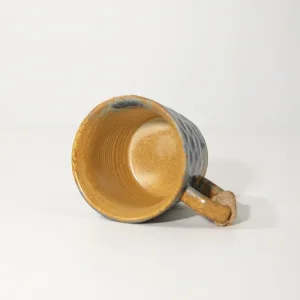
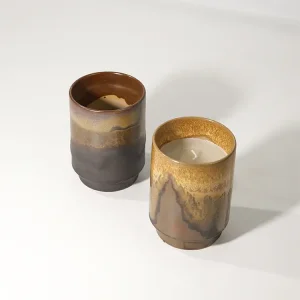
Stoneware ceramic tableware fired at high temperatures (1250°C+) provides structural durability and is free from BPA or other chemical residues. Unlike melamine, which can degrade and release harmful compounds when exposed to temperatures above 70°C, stoneware is safe for hot broths like Sinigang and Bulalo. It is also resistant to scratches from metal cutlery, helping maintain its appearance over time.
We use controlled glaze formulas and fire our products in modern electric rotary kilns. This process ensures complete glaze fusion, preventing heavy metal leaching. Our production lines comply with safety standards including US FDA Sec. 545.400, EU Directive 84/500/EEC, and the German LFGB, with certifications available for corporate clients upon request.
Our factory in Dehua, Fujian, is located near Xiamen Port. We arrange container shipments (FCL/LCL) that go directly to Manila North Harbor. The ocean transit time is approximately 7 to 10 days. We also handle custom packing, container loading optimization, and export documentation to help simplify clearance processes in the Philippines.
Yes. Our design team and prototyping department can create custom products based on 3D renderings, drawings, or physical reference samples. We can adjust glaze finishes (matte, glossy, reactive), incorporate custom decals, and emboss brand logos directly onto stoneware or porcelain surfaces.
Our standard MOQs depend on the product type. For small cups and mugs, the MOQ is generally 2,000 to 3,000 pieces per design. For larger items like ceramic casserole pots or dinnerware sets, the MOQ ranges from 500 to 1,000 units. Please reach out to our team to discuss customized options for smaller test runs.
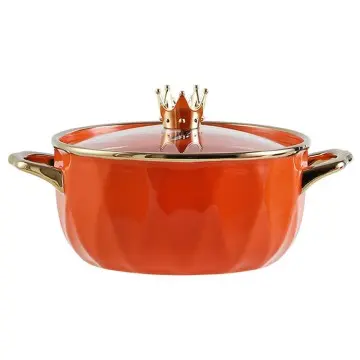
Our cookware is made from spodumene-reinforced clay body material, allowing it to withstand high heat up to 800°C. These pots can be moved directly from refrigeration to oven or stovetop cooking without cracking. This thermal stability makes them well-suited for high-volume commercial kitchens in Manila.
Get in touch with our international trade division for factory direct pricing, material samples, and custom design support.
Send Inquiry Now JIASHUN